Produce
- Home
- Industry Applications
- Produce
MicroTally® Samplers for the Produce Industry
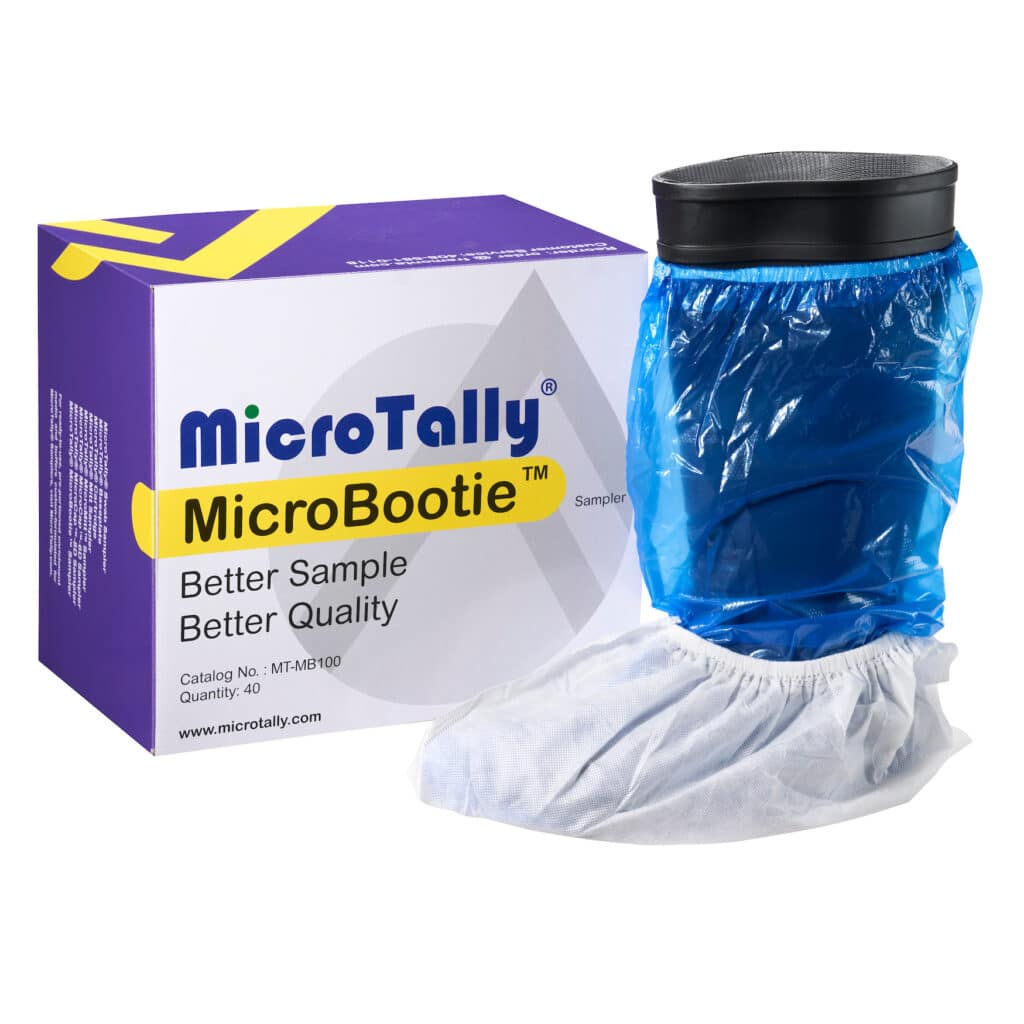
MicroTally® beef sampling products provide a non-destructive sampling solution that replaces traditional tissue-excision methods like N60 and N60+. Constructed from a durable, heat-sealed non-woven spun-polymer cloth, each sampler features a textured fabric that physically traps and holds surface pathogens without tearing, linting, or leaving fibers on meat tissue. By maximizing surface coverage without destroying valuable product, MicroTally® samplers streamline plant monitoring, reduce labor, and deliver highly representative microbial data.
MicroTally® MicroCap™
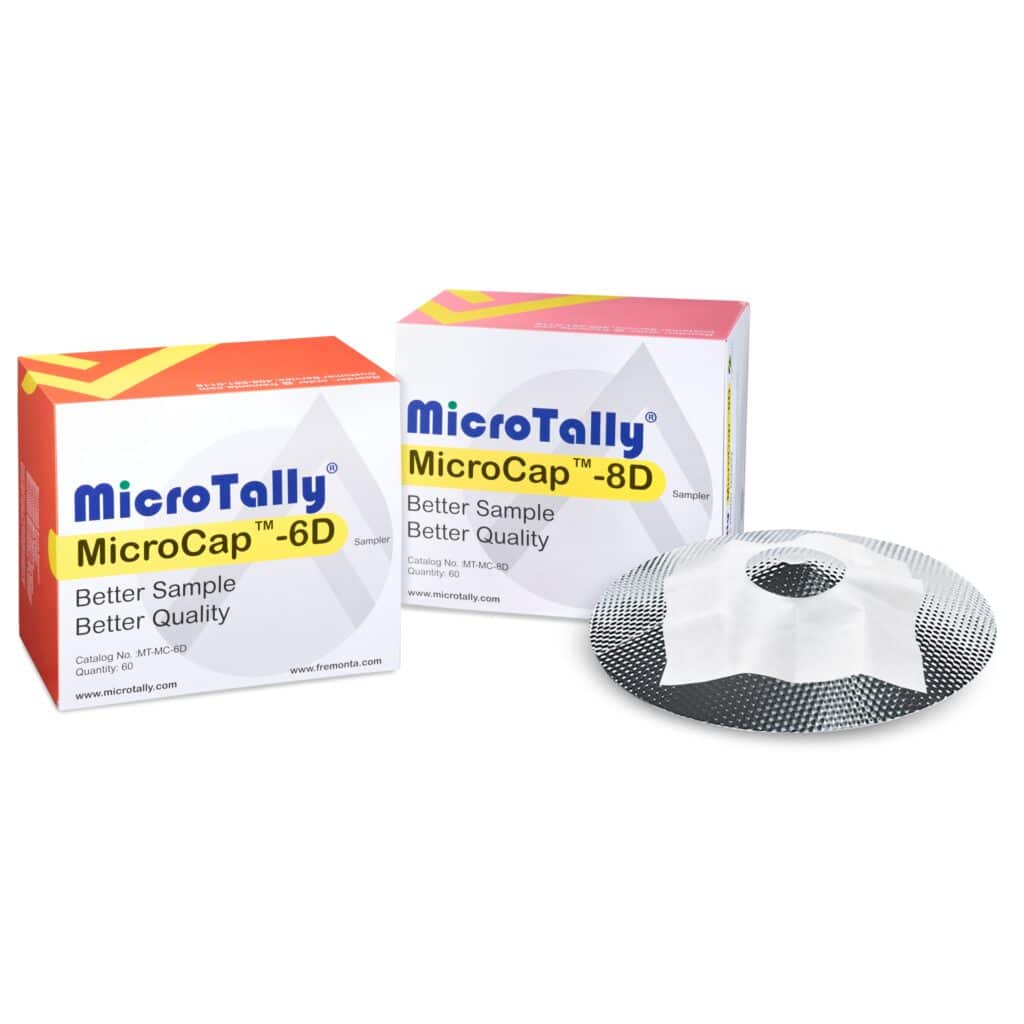
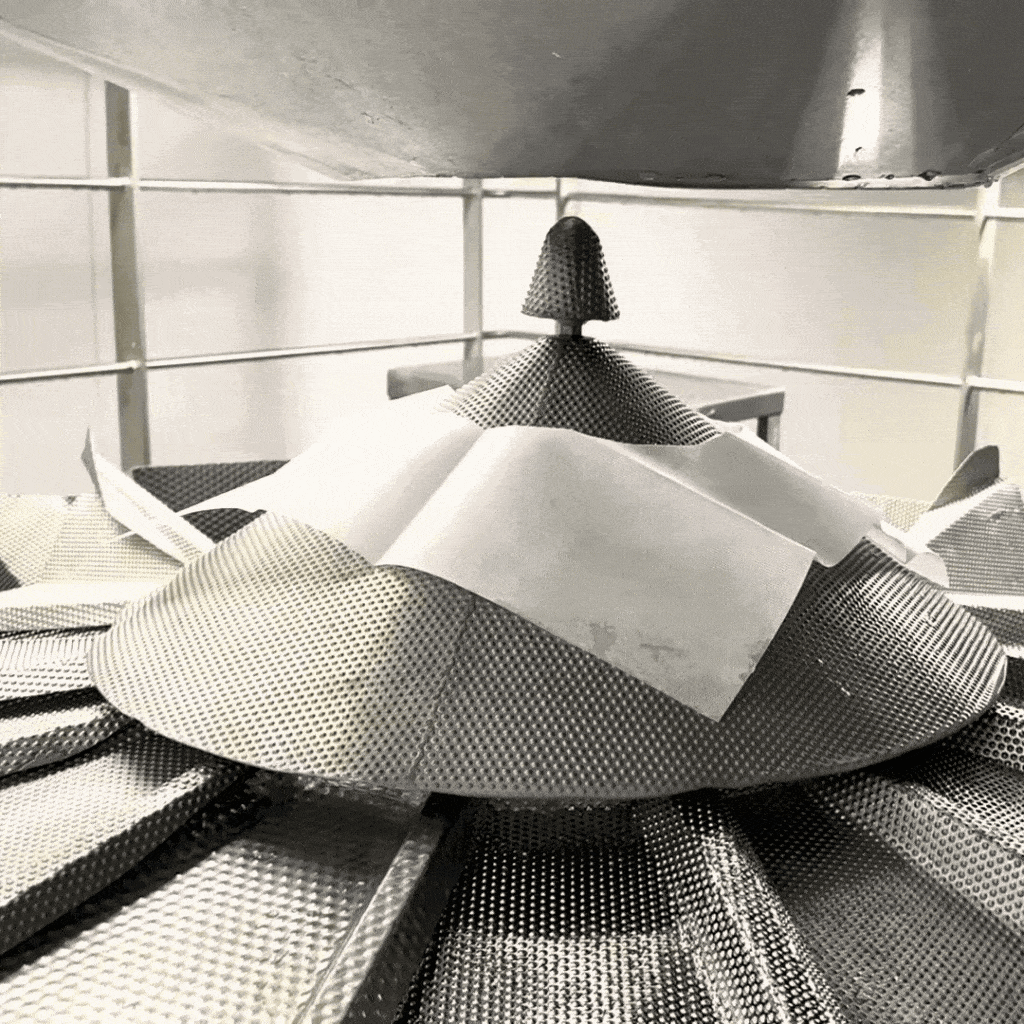
Designed for fresh-cut and diced produce operations, the MicroTally® MicroCap™ sampler delivers continuous, automated surface sampling directly at the weigh station. Positioned over the dispersion cone of multihead weighing machines, this sterile sampler captures representative surface material across large batches (up to 2 hours) with zero operator supervision required. By gathering aggregated surface material as product flows—without capturing bulk interior plant tissue—it eliminates sample dilution, maximizes pathogen detection sensitivity for Salmonella, STEC, and Listeria, and operates with zero product loss.
MicroTally® MicroBroom™
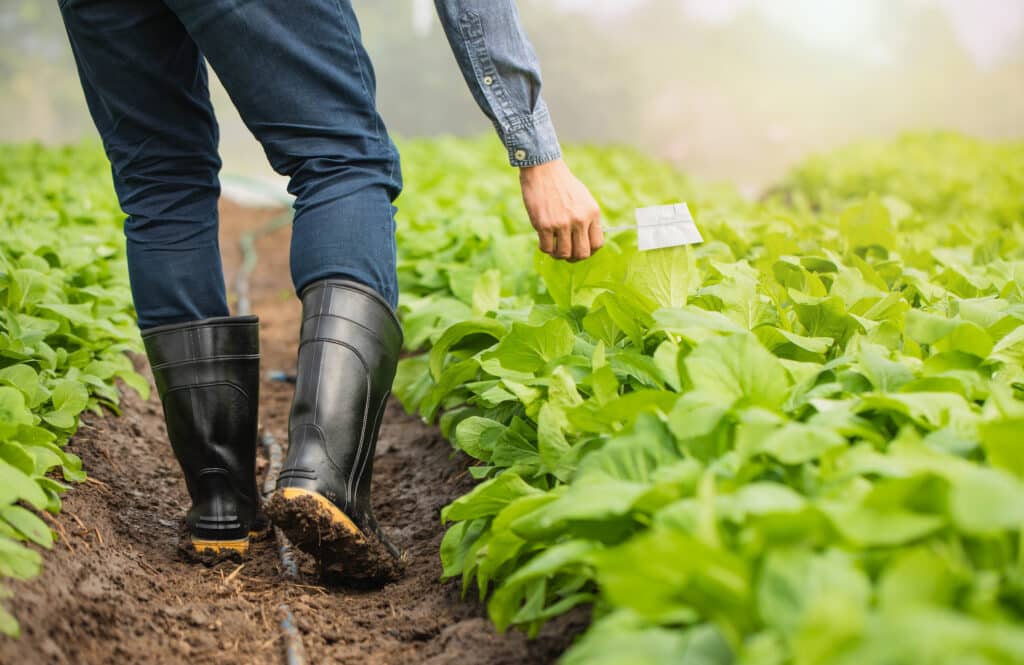
Engineered specifically for preharvest Romaine lettuce and high-density crops, the MicroTally® MicroBroom™ sampler delivers a fast, penetrative manual sampling solution where surface swabbing falls short. Designed to attach to an extension handle for stoop-free field collection, this sterile, non-woven sampler easily reaches the interior heart of lettuce heads. By using an aggressive, multi-head scrubbing technique directly in the field, the MicroBroom™ sampler captures aggregated interior tissue material without gathering soil, providing pathogen recovery equal to or greater than traditional destructive tissue testing. This eliminates cumbersome sample prep, avoids bulk plant material dilution, and provides accurate, representative preharvest data for Salmonella, STEC, and Listeria.
MicroTally® Mitt
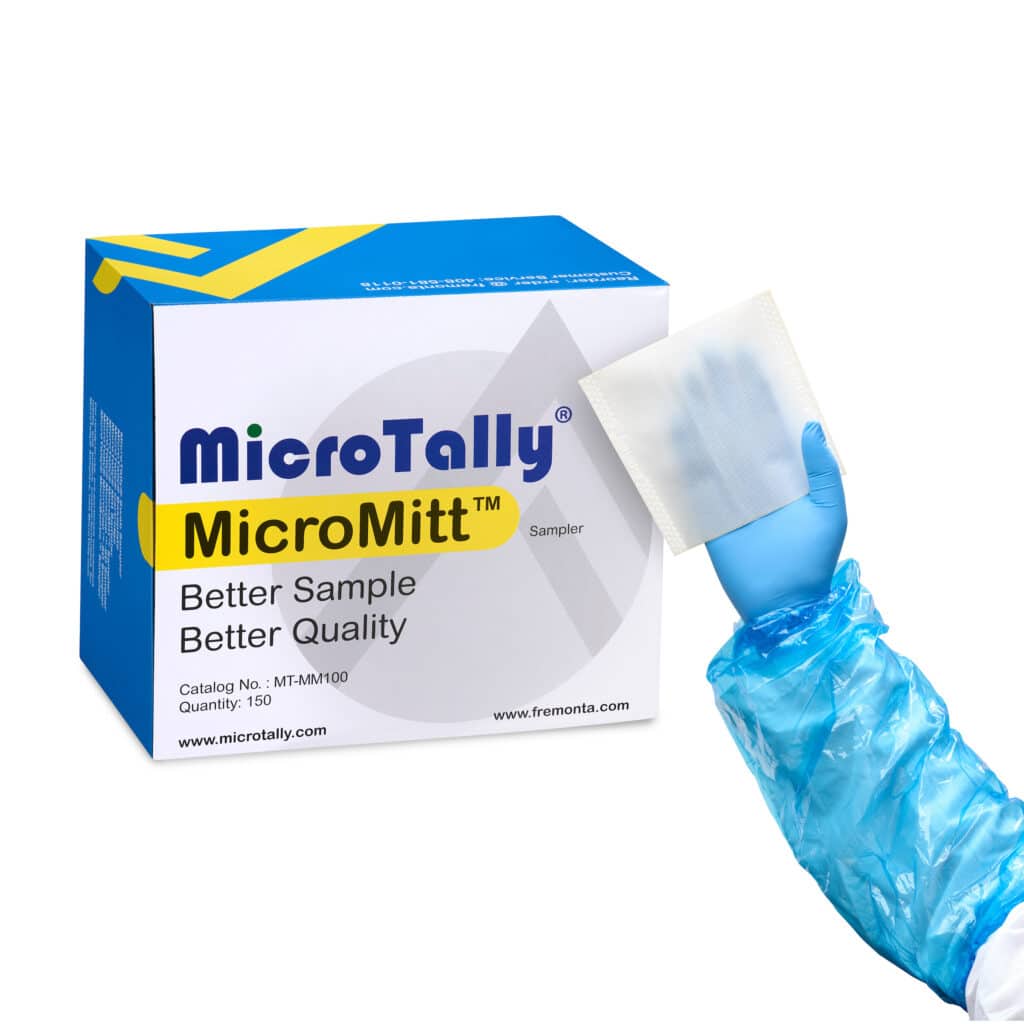
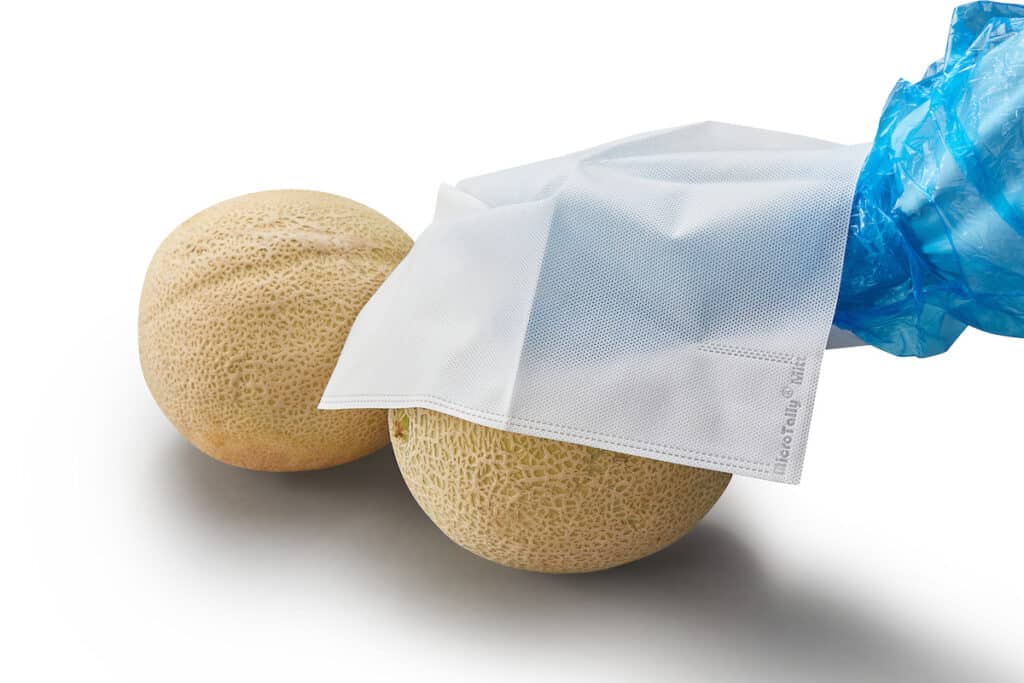
Engineered for whole produce commodities such as melons, tree fruit, and raw agricultural products, the MicroTally® Mitt sampler provides a fast, non-destructive manual sampling solution. Worn directly over an operator's gloved hand, this surface sampler enables staff to wipe exterior rinds and surfaces efficiently without destroying whole fruit or relying on high-volume rinse methods. Constructed from sterile non-woven fabric, the Mitt traps surface pathogens across lot samples, delivering equal or greater pathogen detection accuracy compared to traditional grab and rinse sampling methods.

Comparing Grab Method to MicroCap™ Sampler
| Traditional Grab Sampling | MicroTally® MicroCap™ Sampling | |
|---|---|---|
| Detection Reliability | Low – Limited sample points can miss contamination clusters | High – Broad surface coverage detects localized contamination pockets |
| Collection Method | Manual – Multiple grabs composited | Automated – Aggregated sample across entire lot at weigh station |
| Manpower Required | Continuous supervision and labor | None – Runs unsupervised |
| Sample Coverage | Limited – Multiple grab points throughout the lot | Entire Lot – Samples product continuously as it passes through weigh station |
| Product Loss | Yes (destructive sampling) | None (non-destructive) |
| Published Validation | Industry Default | Equal or Greater Recovery (See peer-reviewed data) |
| Overall Cost | Higher | Lower |
| Shipping Costs | Higher – Larger sample volume requires more ice and increases freight weight | Lower – Smaller samples require less ice and weigh less |
| Lab Costs | Higher – Requires larger media volume for enrichment, increasing media and disposal expenses | Lower – Minimal media volume needed for enrichment, reducing media and disposal expenses |
Sampling Supplies for the Produce Industry
MicroTally® MicroCap™ Sampler
Meet Your Regulatory Requirements
We partner with leading agricultural researchers and industry stakeholders to ensure our produce sampling technologies satisfy strict food safety standards. Designed to support compliance with FSMA regulations and buyer verification requirements, MicroTally® solutions provide scientifically sound, non-destructive sampling protocols for whole and fresh-cut commodities.
Our ongoing validation studies demonstrate equal or greater recovery for key target pathogens like Salmonella, Listeria, and STEC compared to traditional grab methods, giving QA teams audit-ready data they can rely on.
No Objection Letters
Produce Industry Sampling Videos
MicroTally® MicroBroom™ Sampling Demo – Romaine
MicroTally® MicroCap™ Sampler Demo
MicroTally® Product Line Overview
MicroTally® MicroMitt™ – Environmental Sampling Concept Demo
MicroTally® Mitt Melon Sampling Concept Demo
Produce Industry FAQs
-
Trials did not show any advantage. The interior of heads of Romaine had sufficient moisture to transfer microbes effectively to the sampler without requiring additional pre-wetting.
-
There is no physical limitation. However, if they are sampled together, they effectively become one lot that should be accepted or rejected together.
-
This is not recommended. It is generally easier to snap the bulk of the shaft off while returning the sampler to the bag than to remove it later. It also reduces the risk of cross-contamination. If it is not removed, the lab will probably want to remove it to reduce the risk of bag puncture during handling which presents its own challenges.
-
The MicroBroom™ sampler and extension handle were designed for aggregated sampling of Romaine lettuce to access the interior where pathogens are expected. Additionally, it is anticipated that these samplers will find other uses in automated sampling applications of Romaine and other products. The extension handle makes the sampler useful for reaching into and under where it is difficult to sample. Users will find ways to use these samplers that go beyond the original expectations.
-
In almost all cases, pre-moistened MicroCap™ samplers provide greater recovery than dry, and in no case do they provide lower recovery. If in doubt, premoisten. The liquid serves as a transfer medium for microbial recovery.
-
Use the smallest hole size that will fit comfortably over the flange on top of the distribution cone (China Cap) of the weigh scale. On many higher-volume lines, this requires the 8-inch hole.
-
Each MicroTally® sampler product utilizes the same underlying polyolefin cloth technology that has been evaluated by the USDA Agricultural Research Service (ARS) and implemented by the USDA Food Safety and Inspection Service (FSIS) for official pathogen sampling. The material is scientifically proven to deliver reliable, legally defensible, and highly reproducible microbiological data.
-
No. There have been no provisions made for washing and resterilizing MicroTally® samplers. They were developed with the intention of being single-use devices. The impact of trace residuals is unknown.
-
The sampler is constructed from a specially engineered, non-woven spun polyolefin polymer fabric. This advanced, food-contact-safe material is physically optimized to effectively capture and retain surface moisture, biofilms, and microbial pathogens upon direct contact.
-
Yes, see Manual Sampling Device (MSD™) testing. However, we highly recommend using the MicroTally® Mitt for this purpose as it offers a significantly enhanced sampling experience tailored to meet your needs.
Learn More About Our Produce Sampling Solutions
Connect with us to learn more about our innovative sampling technology for detecting Salmonella, STEC, and other pathogenic organisms on produce. Our team of experts is readily available to provide you with comprehensive information and personalized solutions that cater to your specific requirements.
By choosing MicroTally® products, you align yourself with the global leaders in the industry who rely on our cutting-edge sampling innovation to ensure reliable results in food safety.